

Plastic vs Glass vs Foam vs Velvet Christmas Ball Ornaments: The Ultimate Comparison
2026-07-17
Christmas ball ornaments look simple from a distance. A round shape. A cap. A festive color. That is the easy part.
The hard part is choosing the right material.
Plastic, glass, foam, and velvet each send a different signal. They feel different. They ship differently. They sell differently. If you are buying for e-commerce, chain retail, project work, or gifting, those differences matter more than most people expect.
So what wins? Honestly, there is no single winner.
Plastic is the workhorse. Glass is the classic. Foam is the light, low-risk option. Velvet is the soft-touch style piece. The right pick depends on where the ornament will sit, who will handle it, and what story you want the shelf to tell.
If you are building a wholesale range, browse the Christmas Ball product category for style ideas, or visit the Contact Senmasine page to discuss custom bulk orders.
Quick Answer: Which Material Fits Which Job?
Plastic works best for e-commerce, chain retail, large displays, and busy public spaces.
Glass works best for premium retail, gift sets, boutique decor, and indoor settings.
Foam works best for ultra-light decor, craft-style projects, and budget-sensitive runs.
Velvet works best for soft-touch styling, premium home decor, and gift-ready collections.
That is the short version. But the details matter, so let’s break it down.

Plastic Christmas Baubles: The Workhorse That Keeps Moving
Plastic Christmas ball ornaments offer the most flexibility for B2B buyers. They weigh less than glass, ship with fewer complications, and resist breakage far better. Manufacturers can produce them in a wide range of finishes — glossy mirror, matte, glitter, metallic, and printed styles.
For import distributors, plastic is often the safest core range. It delivers volume without excessive breakage risk. For e-commerce sellers, it goes even further. Less damage means fewer returns, fewer complaints, and far less stress as cartons move through parcel networks.
Plastic also scales well by size. As ornaments grow larger, weight becomes a real concern. A large plastic ball creates a strong visual statement without making the installation team nervous. That is one reason large shatterproof Christmas ball ornaments keep showing up in malls, hotels, airports, and event spaces.
And yes, plastic can still look premium. Good coatings matter. Good caps matter. Good packing matters. A cheap plastic ornament may look flat, but a well-made one can hold its own on retail shelves and commercial trees.
Why Buyers Like Plastic Christmas Ball Ornaments
- Lower freight weight
- Lower break risk
- Better for online shipping and parcel networks
- Better for large-size installs
- Easier setup for public spaces and fast-turnaround projects
If your market demands scale and peace of mind, plastic usually wins.
Glass Christmas Baubles: The Classic That Still Feels Special
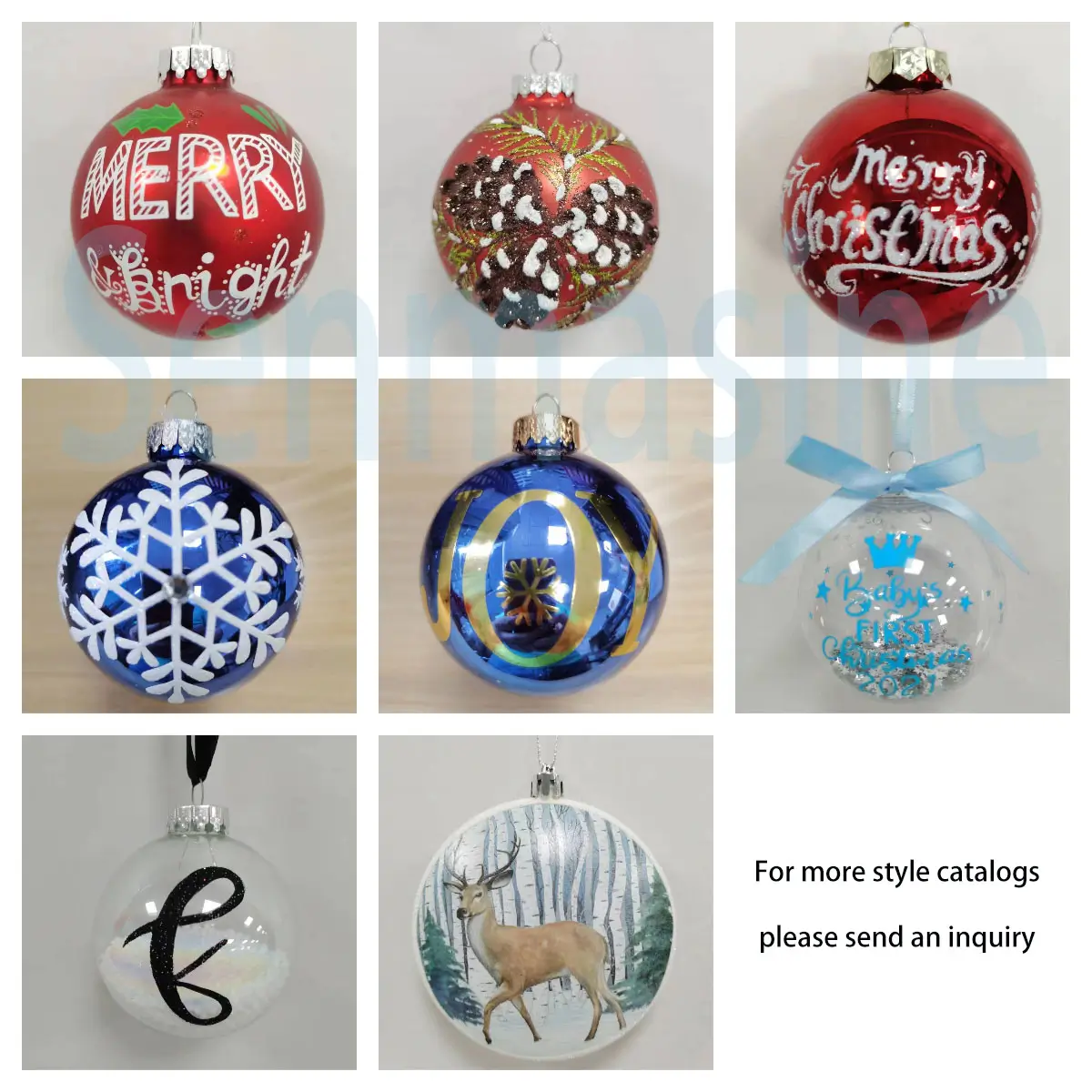
Glass Christmas ball ornaments carry a different kind of power. They catch light crisply. The color looks deep. The shine feels clean. Even before a shopper touches the tree, glass often lifts the display into a more premium mood.
That is why glass holds a strong position in boutique retail, gift sets, hotel decor, and high-end holiday collections. A glass ball can feel like a keepsake — more “gift” than “stock.”
There is a trade-off, of course. Glass breaks. It needs better packing and more careful handling. It suits protected indoor spaces far better than rough public traffic.
For design companies, that trade-off is not a deal breaker — it is simply part of the plan. When the display is close to the eye and the setting is controlled, glass often becomes the most visually compelling choice on the table.
Why Buyers Still Ask for Glass Christmas Baubles
- Strong premium feel
- Clean, crisp reflection under warm lights
- Ideal for gift sets and boutique shelves
- Works well for artisan-style looks
- A strong fit for curated indoor decor
Glass is not the safest choice. But in the right setting, nothing feels richer.
Foam: The Light One That Knows Its Job
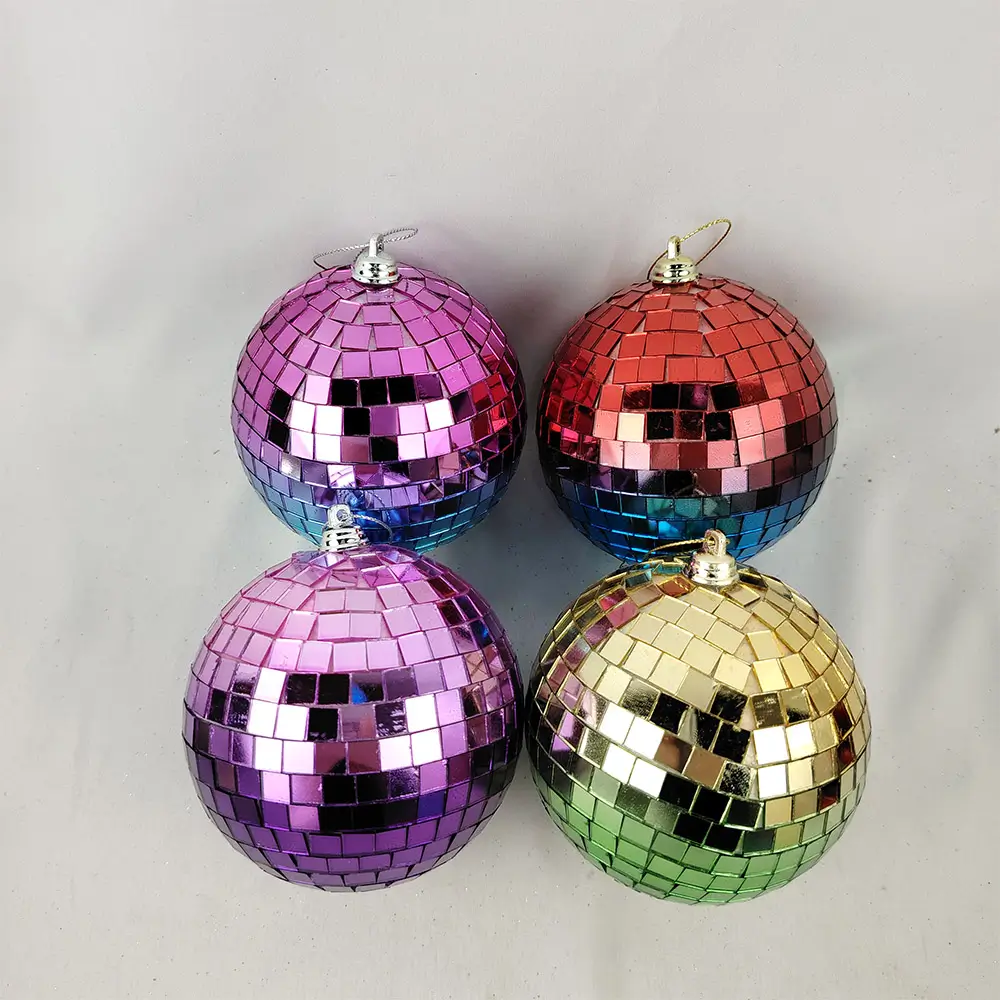
Foam Christmas ball ornaments rarely steal the spotlight, but they earn a real place in any practical sourcing plan.
Foam is exceptionally light — and that single quality changes everything. For hanging displays, craft projects, school events, or budget-sensitive seasonal decor, the reduced weight makes setup easier and puts less stress on hooks, strings, and mounting points.
Foam is rarely the first pick for luxury shelves. It lacks the crisp shine of glass or the polished range of plastic. But that is not its purpose. Foam is about practicality — volume, safety, and lightness.
It also suits projects that need a soft look instead of a hard shine. Some foam ornaments serve as a base for flocking, painting, ribbon work, or hand-decorated finishes. In those cases, the ball provides a surface rather than a reflection.
Where Foam Christmas Ornaments Make Sense
- Craft and DIY ranges
- School or family activities
- Very light hanging needs
- Budget bulk decor
- Projects where weight is the main constraint
Foam sounds humble. It is. And that is exactly what makes it useful.
Velvet Christmas Ball Ornaments: The Soft-Touch Style Piece
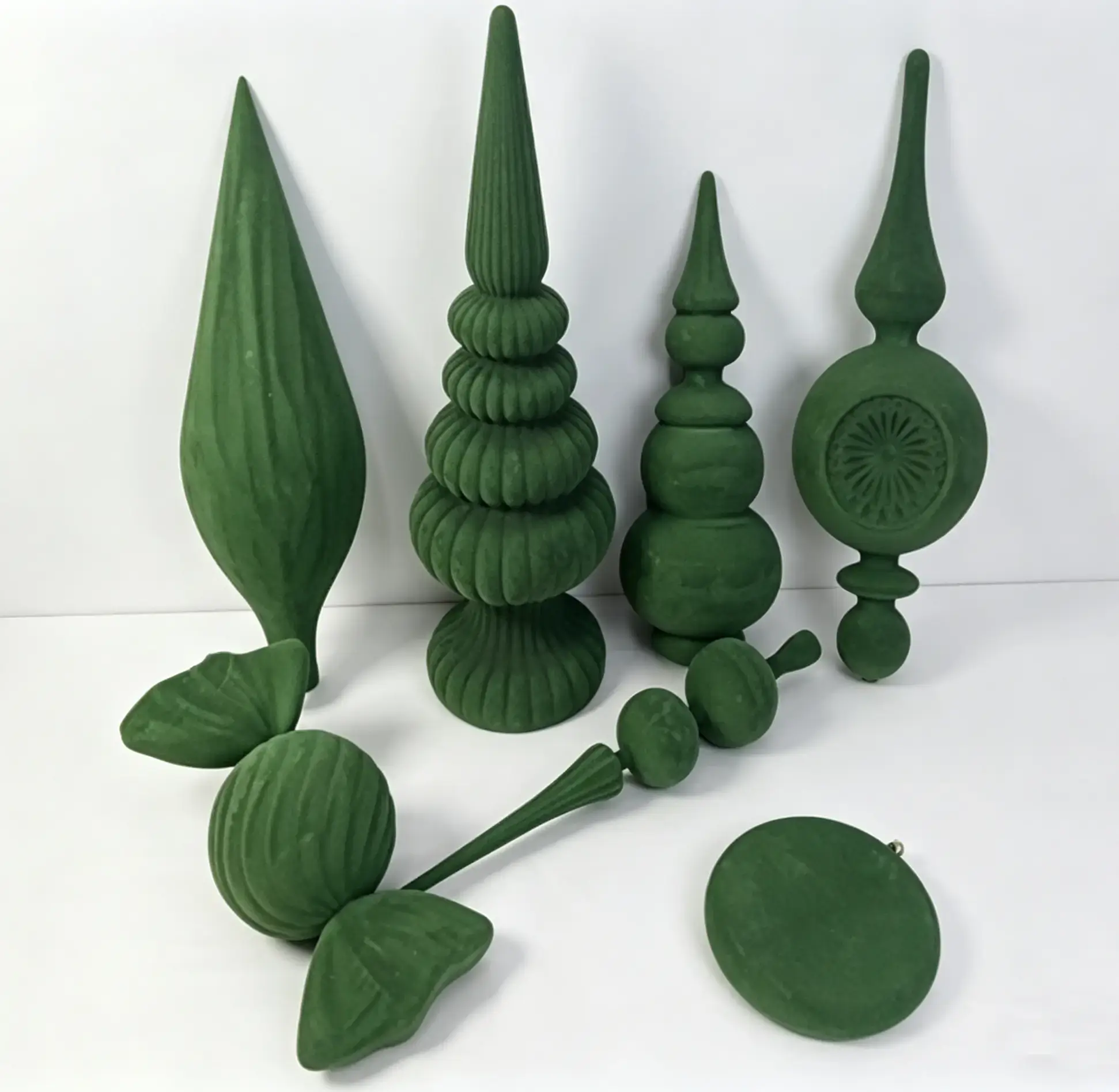
Velvet Christmas ball ornaments tell a different story. Velvet is often a surface treatment rather than a structural material — the ball may have a solid core underneath, but the outer finish is velvet or velvet-like fabric.
That surface gives the ornament a soft touch and a warm, rich feel. It reads as cozy. It reads as premium. It looks especially appealing in winter home decor, gift sets, boutique displays, and styled tabletop arrangements.
Velvet is not about hard shine. It is about texture — and texture changes the mood of a room quietly. Under soft lighting, a velvet ball feels elegant without being loud.
The trade-off? Velvet can show wear more easily than plastic. It may need more careful storage and is not the best fit for rough public traffic or high-touch retail floors.
Where Velvet Christmas Ball Ornaments Shine
- Premium home decor
- Gift-ready sets
- Soft winter color stories
- Boutique displays
- Styled indoor arrangements
If your buyer values texture, warmth, and a richer visual feel, velvet is the right move.
Direct Comparison: Plastic vs Glass vs Foam vs Velvet ball Ornaments
Here is a quick overview of all four materials at a glance.
| Material | Look | Weight | Break Risk | Shipping | Best Fit |
| Plastic | Bright, polished, flexible | Light | Low | Easy | E-commerce, retail, large displays |
| Glass | Crisp, premium, reflective | Medium–Heavy | High | Careful | Boutique, gifts, indoor decor |
| Foam | Soft, matte, low-sheen | Very Light | Very Low | Easy | Craft, budget bulk, light installs |
| Velvet | Soft, rich, tactile | Medium | Medium | Careful | Premium home decor, gift sets |
The table gives you a useful starting point, but the right answer still depends on your buyer and your channel.
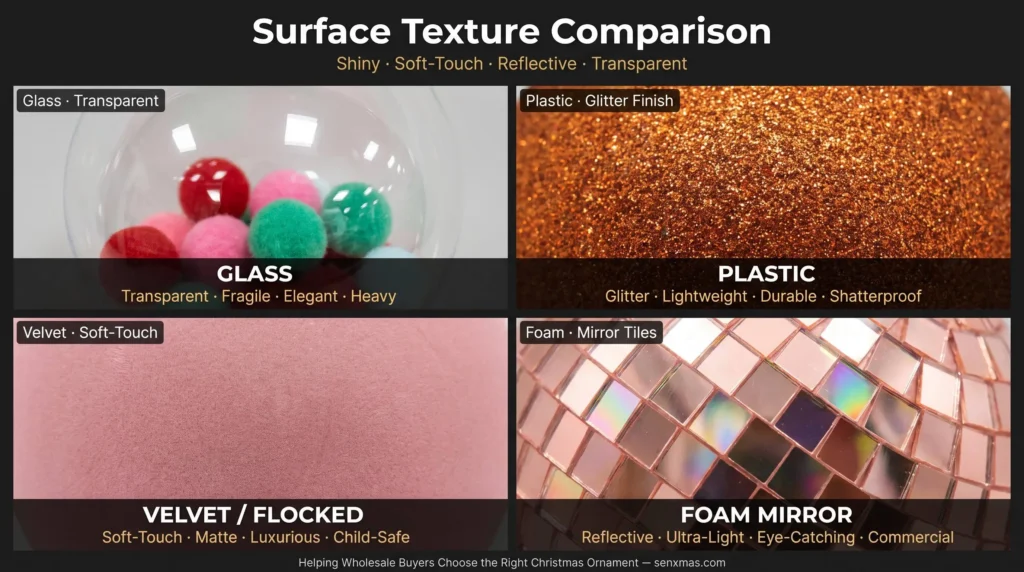
Which Material Xmas baubles ornaments Fits Which Buyer?
For import distributors, plastic xmas baubles is usually the core volume line. It keeps freight safer and reduces claims. Glass xmas baubles can sit above it as a premium line when customers ask for it.
For chain retailers, a mixed range often makes sense. Use plastic for everyday volume, glass for premium gift tables, velvet xmas baubles for a softer holiday story, and foam to support budget or craft-friendly corners.
For e-commerce sellers, plastic xmas baubles is usually the safest first pick. It ships better and returns less. Foam can also work when the target price is low and the item is light. Velvet can sell well online too — but only when the photos are strong and the packaging feels right.
For project contractors, plastic xmas baubles usually takes the lead. Large trees, public spaces, mall displays, hotel lobbies, airports, and event venues all benefit from lower break risk and lighter weight. Foam helps when weight is a major concern. Use glass only when the setting is protected and controlled.
For design companies, a mix typically produces the best result. Use glass for close-view focal points, plastic for height and volume, velvet when the room needs a soft and rich touch, and foam where scale and weight are a priority.
What Matters More Than Material
Material is important, but it is not the whole story.
- Finish matters. Mirror, matte, glitter, metallic, or velvet all change the mood.
- Size matters. Small and large ornaments do not behave the same.
- Packing matters. A great ornament still needs a strong carton.
- MOQ matters. A great idea still needs a workable order size.
- Lead time matters. Holiday orders do not forgive late planning.
- Compliance matters. Many markets require proof, not just promises.
- Color matching matters. One shade off can throw off the entire set.
This is where a good supplier makes all the difference — not by talking fancy, but by keeping every detail tight.
A Smart Mix Often Wins
Here is something many buyers learn after a few seasons: the best range is rarely one material.
A strong holiday line can combine all four:
- Plastic for the main body of the range
- Glass for premium gift sets and hero shelves
- Foam for lightweight, budget, or craft-friendly pieces
- Velvet for the soft-touch accent line
That mix creates price layers. It creates style layers. It gives your sales team more ways to close a deal.
If you are building a new assortment, that combination is worth serious consideration.
Why Senmasine Can Support Mixed-Material Orders
Senmasine is a source factory, not a trading company. That matters when you need price control, stable quality, and custom work.
Our Christmas decoration experience goes back more than 20 years, with Christmas ball production since 1996. We support OEM and ODM projects for size, color, finish, packaging, and private label needs.
In-house production lines cover blow molding, electroplating, spray coating, glitter bonding, and hand-painting. For buyers who need consistent supply, that level of control is a genuine advantage.
For current styles and bulk planning, start with the live Christmas Ball product category. For a quote, a sample plan, or a custom mixed-material range, reach out through Contact Senmasine.
Final Take
So, plastic vs glass vs foam vs velvet Christmas ball ornaments — what should you buy?
Choose plastic Christmas ball ornaments if your market needs durability, scale, large sizes, and better shipping performance.
Choose glass Christmas ball ornaments if your buyers want premium shine, gift value, and close-view beauty.
Choose foam Christmas ornaments if the project needs low weight, safe handling, and budget-friendly decoration.
Choose velvet Christmas ball ornaments if the range needs soft texture, warm style, and gift-ready appeal.
The smartest buyers do not ask which material is “good” in isolation. They ask which one fits the market, the shelf, the ship, and the season. That is the real test.
Choose the right material for the right job, and the whole range feels stronger.
FAQs
1. Are plastic Christmas ball ornaments better for e-commerce?
Usually yes. Plastic Christmas ball ornaments are lighter, ship more easily, and lower the risk of breakage during parcel delivery. That helps reduce returns and complaints.
2. Are glass Christmas ball ornaments better for premium retail?
Yes, often. Glass Christmas ball ornaments usually look more refined and feel more premium under store lighting. They are a strong fit for boutique shops, gift sets, and indoor decor.
3. What are foam Christmas ball ornaments best for?
Foam Christmas ball ornaments are best for lightweight decor, budget-friendly bulk projects, craft use, and places where low weight matters more than shine.
4. What makes velvet Christmas ball ornaments different?
Velvet Christmas ball ornaments are valued for their soft-touch surface and rich look. They work well in premium home decor and gift-ready collections, but they need more careful storage.
5. Can I mix plastic, glass, foam, and velvet ornaments in one order?
Yes, mixed-material orders are common in wholesale holiday decor. Many buyers use plastic for volume, glass for premium points, foam for light installs, and velvet for style layers.